
How do I get my award winning Cello sound?
I get asked this all the time. "Rich, how do you get that great cello sound?" Well, rather than reply with numerous witty retorts I figured it was best to make a video for you and…
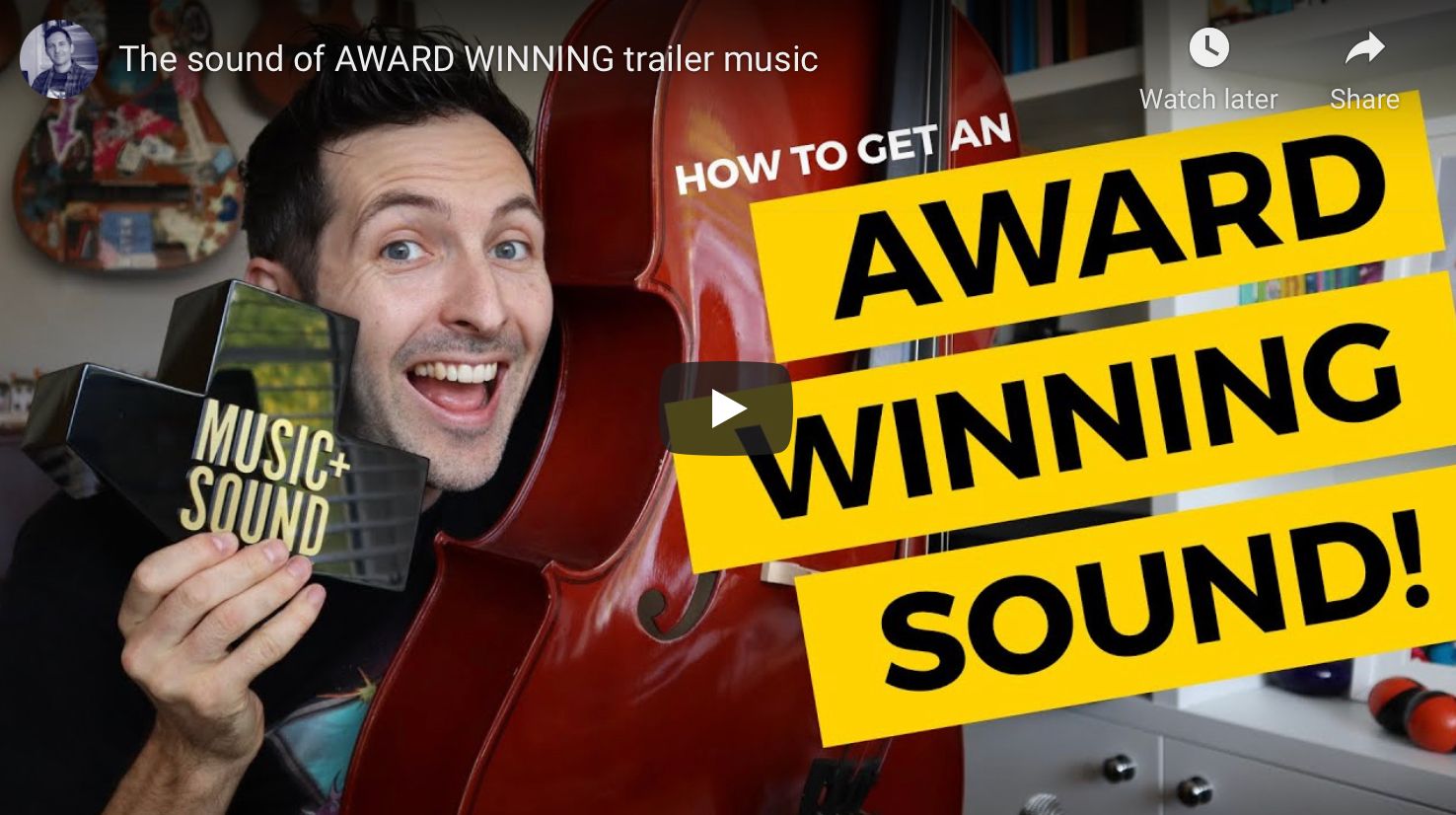
I get asked this all the time.
“Rich, how do you get that great cello sound?”
Well, rather than reply with numerous witty retorts I figured it was best to make a video for you and actually show you how I do it.
How I record and treat my cello parts
I’m not really a string player, and that’s part of the sound. The Throat 2 album, which my track Syndrome came from, was almost entirely me in a room, hot-miking a cello. Syndrome was used on a TV spot for Mother! that won a Music+Sound award. I’m not aiming for a polished performance. I’m after a feeling.
So I often choose dissonant notes rather than nice ones. Sometimes I play slightly out of tune, or out of time, on purpose. Even tracks that have been on trailers still have clicks in the cello part. Don’t be too precious about it.
I build the sound in layers. Syndrome started with me recording a double bass note, cutting it short and adding fades. Then I layered harmonics over the top, and then violin and cello, until it sounded like a strange haunted train going through a dark tunnel. I like to picture a weird image and try to paint it.
Playing techniques make a big difference too. On Wicca, from Throat 3, the players muted the strings with their left hand and swiped across them in a simple rhythm. They also played with the wood of the bow and really dug in for scratches. I distorted one of those recordings heavily so it sounded like a distant war drum, took out the wobbly crunch with EQ and put it in reverb.
When I arrange these parts, I use a trick from my advertising days: add a new layer every five or ten seconds. A new cello part, then sticks, then another cello part, so it keeps building like a staircase.
To give string recordings more bite, I like the Apex Vintage Exciter on my cello samples. It can be harsh, so I dial back how much is in the mix. OTT, which is free, does a similar job. You can get close with EQ and compression alone: scoop some mids, lift the top a little and compress.
For more on this, my Syndrome walkthrough breaks the whole track down, How I Wrote The Pale Blue Eye Trailer Music shows another cello-driven cue, and Ambient Cello is a free Kontakt instrument made from my cello recordings. My Dark Thriller course walks through my organic sound design and several placed tracks in full.
Happy composing!Rich
Read next
- The honest truth about production music income in 2026 (with real numbers from my career)
Everyone talks about passive income from music. Almost nobody shows you the actual numbers.
- The YouTube Strategy That Built 700K Subscribers: How One Composer Turned Belief Into Income
Composer Greg Dombrowski reveals how he built a thriving YouTube career without relying on trends, algorithms, or optimisation hacks, just one track a week and an unwavering belief in his craft.
- The Custom Music Survival Guide: How to Beat Burnout, Time Zones, and Unfair Deadlines
I had to work all night to meet LA deadlines while juggling a day job, leading straight to burnout; here is how I learned to survive the time zone trap, set boundaries with production houses, and make custom music work on my terms.
- Composing the Enchanting Soundtrack for Pete's Dragon Trailer
Learn my approach to writing uplifting family adventure trailer music through my track "The Sun Will Rise," which was featured in Pete's Dragon and showcases the power of simple hooks, cohesive progressions, and magical orchestration.